Three-time Super Bowl champion Monte Coleman dies at 68
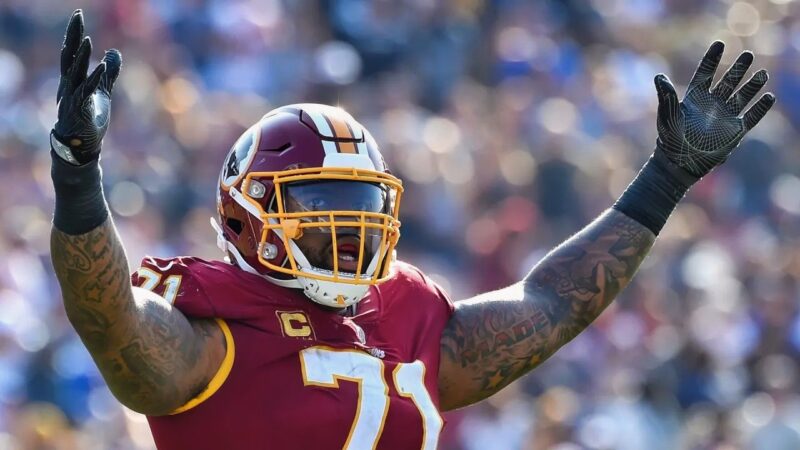
The linebacker won three Super Bowls during his 16-year stint with the formerly-named Washington Redskins, before becoming a coach for the University of Arkansas at Pine Bluff.

Stadium News
Breaking News from the Bench to the Bleachers
The linebacker won three Super Bowls during his 16-year stint with the formerly-named Washington Redskins, before becoming a coach for the University of Arkansas at Pine Bluff.
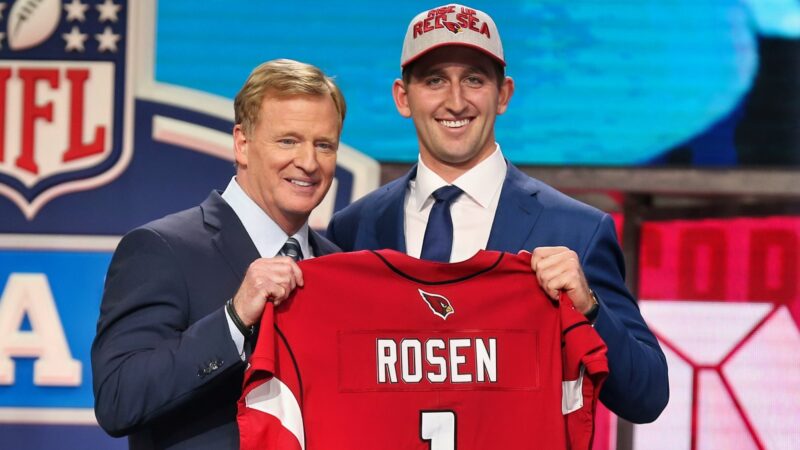
Some NFL QBs were able to shed the “bust” label after making the most of another opportunity. Think of guys like Jim Plunkett and Steve Young. Or, more recently, Sam Darnold, Baker Mayfield, and Daniel Jones. Unfortunately, the same can’t be said about every other once-highly-touted quarterback that struggled early in their career. Some notable QB draft busts like Johnny Manziel and Ryan Leaf only have themselves to blame for failing to live up to the hype. But other so-called NFL quarterback draft “busts” have had the finger unfairly pointed at them long enough. Here are 10 such players who shouldn’t be blamed for the situation they were put in. Which QB did not have control over their career and ended up as a bust? David CarrDec 17, 2006; Foxborough, MA, USA; New England Patriots linebacker (95) Tully Banta-Cain tackles Houston Texans quarterback (8) David Carr in the 1st half against the at Gillette Stadium. Mandatory Credit: David Butler II-USA TODAY Sports Copyright © David Butler II Let’s get the most obvious one out of the way first… The Houston Texans entered the NFL as an expansion franchise in 2002. As such, the NFL awarded them the No. 1 pick in that year’s draft. So, of course, they addressed the league’s most important position by selecting Fresno State quarterback David Carr. The next pick was future Hall of Fame defensive end Julius Peppers, who went second overall to the Carolina Panthers. Sorry to remind you, Texans fans. Anyway, Houston fans know how this went down. He went 22-53-0 over five seasons as Houston’s starting quarterback, with 59 touchdowns against 65 interceptions. But please don’t get carried away and assume it was all Carr’s fault. He was sacked 76 times in his rookie year, an NFL record. Their defense was consistently among the NFL’s worst. Dom Capers wasn’t qualified to be a head coach, either. Carr spent his final years in the NFL as a journeyman backup, winning a Super Bowl 46 ring with the New York Giants as Eli Manning’s understudy. And by the way, the Texans wouldn’t get a true star-level QB until Deshaun Watson in 2017. Goes to show how bad this franchise was at evaluating the QB position, so please don’t blame Carr for his career shortcomings and becoming a bust. Robert Griffin IIIAug 18, 2012; Chicago, IL, USA; Washington Redskins quarterback Robert Griffin III (10) is pressured by Chicago Bears defensive end Julius Peppers (90) during the first quarter at Soldier Field. Mandatory Credit: Dennis Wierzbicki-USA TODAY Sports After the Indianapolis Colts drafted Andrew Luck first overall in 2012, Washington happily took Robert Griffin III with the No. 2 selection. Washington had traded up via the St. Louis Rams to obtain that pick, as the NFC West club already had 2010 first-overall pick Sam Bradford in the fold. Griffin, you may recall, was lights-out in his rookie season. He threw for 20 touchdowns, only five interceptions, to go along with 815 rushing yards and seven touchdowns. He led Washington to a surprise NFC East crown, its first division title since 1999. We all know what happened from there, though. Washington had Griffin play on a bad knee in their playoff loss to the Seattle Seahawks, which required surgery. He would never be healthy the rest of the way. From Dan Snyder’s incompetence to Bruce Allen’s horrific roster construction to Mike Shanahan showing zero regard for Griffin’s health, you can’t put any of the blame on RG3. Also, how many QBs have actually played well for more than one season in Washington again? That’s what we thought. If his body hadn’t taken so many beatings, Griffin might have been a star after leaving Washington in 2016. Unfortunately, too little, too late. Josh RosenCardinals quarterback Josh Rosen was in a car accident over the weekend. Cardinals Rams The special 2018 NFL QB draft class featured Josh Allen, Lamar Jackson, Baker Mayfield, and Sam Darnold. Two future Hall of Famers, slash MVP winners, and one Super Bowl-winning quarterback. Not half-bad. It’s hard to remember now, but the hype was also super high on UCLA product Josh Rosen. The Arizona Cardinals actually traded up via the Oakland Raiders to select Rosen with the No. 10 selection — making him the fourth QB taken in the top-10. Unfortunately for Rosen, he couldn’t have landed in a worse position as a rookie. The Cardinals had inexplicably signed the oft-injured Sam Bradford in free agency, making Rosen the backup. Arizona had also hired first-time head coach Steve Wilks to replace the retired Bruce Arians. Wilks, respectfully, wasn’t cut out for the head coaching gig. Rosen took over as the starting QB after three awful starts from Bradford. His best receiver was a fading Larry Fitzgerald. The o-line allowed Rosen to take 45 sacks in 14 games. The defense was a laughingstock, too. Wilks was fired after Arizona finished 3-13, the worst mark in football. New head coach Kliff Kingsbury wanted Kyler Murray, so Arizona took him with the No. 1 pick in 2019 and shipped Rosen to the Miami Dolphins. Rosen was stuck on a 2019 Dolphins squad that tried pulling off the most obvious tank job of NFL history. So, of course, he didn’t get anything going there. He spent one season as Matt Ryan’s backup on the Atlanta Falcons in 2021, then was soon out of the league altogether. Not sure about you, but we find it hard to assign blame to Rosen as a QB bust. Quite frankly, we’re not sure if Patrick Mahomes, Josh Allen, or even Tom Brady would have been able to do much on those abhorrent 2018 Cardinals or 2019 Dolphins squads. Unlike fellow 2018 draftees like Darnold and Mayfield, Rosen never got an extended look on a third team to revive his career. Teams gave up on Rosen without giving him a real opportunity. Trey LanceDec 19, 2021; Santa Clara, California, USA; San Francisco 49ers quarterback Trey Lance (5) during warmups before the start of the game against the Atlanta Falcons at Levi’s Stadium. Mandatory Credit: Stan Szeto-USA TODAY Sports The San Francisco 49ers gave up a king’s ransom to the Miami Dolphins in order to trade up into the No. 3 spot in the 2021 NFL Draft. After Trevor Lawrence and Zach Wilson went to the Jacksonville Jaguars and New York Jets, respectively, Lance went to the 49ers. It should have been the ideal landing spot for Lance. He was playing in Kyle Shanahan’s QB-friendly system. The 49ers didn’t have to rush Lance, either, with Jimmy Garoppolo remaining the starting QB for 2021. After the 2021 season, the 49ers named Lance their starting QB. Unfortunately, he suffered a brutal season-ending ankle injury. So the 49ers had to go back to Jimmy G, who suffered his own season-ending injury late in the year. The 49ers had to turn to rookie and 2022 Mr. Irrelevant Brock Purdy. And the rest is history. Just when it looked like Lance would get his shot elsewhere…the 49ers traded him to the Dallas Cowboys…to back up Dak Prescott. Yippee… Lance got to play one game for Dallas in 2024 with the Cowboys’ playoff hopes over. Then he became Justin Herbert’s backup on the Los Angeles Chargers. So the 49ers ditched Lance after a season-ending injury. Then none of the other teams gave him a shot to take over as a starter. Don’t assign the blame to Lance becoming a QB bust. He never ever got a fair chance. Heath ShulerHeath Shuler (Photo by Imagn Images) With their Super Bowl dynasty in the rearview mirror, Washington restarted at quarterback and selected the Tennessee product with the No. 3 pick in 1994. Despite being stuck on a pathetic team that finished 3-13, Shuler showed promise as a rookie with 10 touchdown passes, albeit against 12 interceptions. Unfortunately, his supporting cast included the league’s worst scoring defense and a lousy running game that didn’t produce a single 700-yard rusher. Shuler started five games in his 1995 sophomore year, but lost the starting job to Gus Frerotte (FRAIR-AWT). After watching 1996 from the bench, he was traded to the New Orleans Saints, also among football’s worst teams at the time. After a rough first year in NOLA, Shuler dealt with a serious left foot injury and could never get back to 100 percent. He retired soon after and entered a career in politics, which proved to be far more successful than his NFL career. Being stuck on two terrible teams and having your career wiped out by an injury? We ain’t blaming Shuler, considering how terrible Washington has been at developing QBs. Blaine GabbertJACKSONVILLE, FL – SEPTEMBER 29: Blaine Gabbert #11 of the Jacksonville Jaguars scrambles for yardage during the game against the Indianapolis Colts at EverBank Field on September 29, 2013 in Jacksonville, Florida. (Photo by Sam Greenwood/Getty Images) If you’re a Jacksonville Jaguars fan and somebody told you at the 2011 NFL Draft that Gabbert would win two Super Bowls? They would have jumped out of their shoes. Except, hehe, Gabbert won his rings as a backup QB on the 2020 Tampa Bay Buccaneers and 2023 Kansas City Chiefs, respectively. The Jags traded up to select Gabbert with the No. 10 pick in 2011, memorably one spot before the Texans took JJ Watt. Ouch. Now, Gabbert went just 5-22 over his three years with the Jags, with 22 touchdowns against 24 interceptions. But uhhh…it didn’t help giving him a bottom-five defense and four different coaches in that period. Jags fans, you remember just how pathetic those teams were, right? Not saying he was GREAT, but Gabbert did show some flashes during his subsequent and brief stints with the 49ers and Cardinals. Why was he unwatchable with the Jags and became a QB bust? Because they made everybody look bad in those days. Joey HarringtonJan 1, 2006; Pittsburgh, PA, USA; Detroit Lions quarterback (3) Joey Harrington throws the ball against the Pittsburgh Steelers at Heinz Field. Mandatory Credit: Tom Szczerbowski-USA TODAY Sports Copyright © 2005 Tom Szczerbowski Two picks after the Texans went with David Carr first overall in 2002, the Detroit Lions used the No. 3 selection on Oregon signal-caller Joey Harrington. Unfortunately, Harrington suffered the same fate as Carr. Over Harrington’s four seasons as the Lions’ starting QB? They had FIVE Pro Bowlers. Then-GM Matt Millen is quite honestly the worst executive in NFL history. And yeah, Marty Mornhinweg and Steve Mariucci were totally over their heads as the coaches during Harrington’s tenure in Motown. Harrington had a pair of 1,000-yard rushers to work with in James Stewart and Kevin Jones. But the defense was always a bottom-tier unit, and don’t get us started with his anemic group of pass-catchers. And don’t blame Harrington for failing to revive his career with the Miami Dolphins in 2006. How many QBs have done well in South Beach since Dan Marino retired again? Mitch TrubiskySep 17, 2017; Tampa, FL, USA; Chicago Bears quarterback Mitch Trubisky (10) warms up before the start of the game against the Tampa Bay Buccaneers at Raymond James Stadium. Mandatory Credit: Jonathan Dyer-USA TODAY Sports Chicago Bears fans don’t like to be reminded that their team drafted Trubisky second overall in 2017, infamously passing up on Patrick Mahomes. We warn Bears fans to point the finger elsewhere. Trubisky was a victim of coaching malpractice over his four seasons in Chicago. They never gave him a good offensive line, thus becoming a QB bust. And no, Matt Nagy was not qualified as a head coach. Remember how well Justin Fields and Andy Dalton did with him? Neither do we. You might point out Trubisky’s lackluster production with the Pittsburgh Steelers. Yeah, well, did anyone in Pittsburgh have success with then-OC Matt Canada? Actually, when’s the last time the Steelers had Pro Bowl-caliber production at QB? Can’t help but think things would have gone much better for Trubisky if he landed on a team like the San Francisco 49ers, who traded down from the No. 2 spot. Even the New York Jets, or the Cincinnati Bengals, two other QB-needy teams at the time, would have gotten more out of Trubisky. Tim CouchOct 27, 2024; Cleveland, Ohio, USA; Former Cleveland Browns quarterback Tim Couch reacts after breaking a guitar before the game between the Browns and the Baltimore Ravens during the first half at Huntington Bank Field. Mandatory Credit: Ken Blaze-Imagn Images After a three-year hiatus, the Cleveland Browns were officially reactivated by the NFL in 1999. The league awarded them the top pick that year, giving the front office the opportunity to take one of five big-name QB prospects: Couch, Donovan McNabb, Akili Smith, Daunte Culpepper, or Cade McNown. All five would be top-12 picks. The Browns went with Tim Couch, which was good news for future Pro Bowlers McNabb and Culpepper…but bad news for Mr. Couch himself. Angry Browns fans like to blame Couch for his disappointing career. Never mind that his offensive line was garbage, or that he only had a single 1,000-yard receiver and ZERO 1K rushers. Or that the coaching staff was terrible. Couch left the Browns in 1999, but unfortunately, never landed a roster spot again despite numerous tryouts. And as everybody knows, Cleveland has been the NFL’s ultimate quarterback graveyard. Blame Couch all you want, but this franchise has ruined so many careers. It wasn’t the fault of Couch. He was the first victim of the Cleveland Browns’ dysfunction and malpractice. Sam BradfordSep 19, 2010; Oakland, CA, USA; St. Louis Rams quarterback Sam Bradford (8) during the game against the Oakland Raiders at the Oakland-Alameda Coliseum. The Raiders defeated the Rams 16-14. Mandatory Credit: Kirby Lee/Image of Sport-USA TODAY Sports Rams fans don’t have fond memories of the Bradford era. And yes, he also failed to make the most of his other opportunities with the Philadelphia Eagles, Minnesota Vikings, or Arizona Cardinals. But again, it’s unfair to blame the guy. The Rams took Bradford first overall in 2010 and then forgot all the important rules of building around a franchise QB. He had a horrible offensive line and zero playmaking pass-catchers. Oh yeah, Jeff Fisher as his head coach after Steve Spagnuolo was let go. As great as ‘Spags’ is as a defensive coordinator, he was never cut out for head coaching. Bradford suffered numerous injuries because the Rams gave him an atrocious offensive line. He suffered a season-ending ACL tear in 2013 and 2014. All told, he only played 49 games in five years with the Rams. His one season with the Eagles drew mixed results. In 2016, he actually looked good with Minnesota with a 71.6 completion percentage, 20 touchdowns, and five picks. Unfortunately, another injury in 2017 saw him lose his starting job to Case Keenum. Bradford’s career never recovered. Bottom line: The Rams destroyed Bradford. Fisher was a QB-killing coach. The front office had no idea how to build a team until Les Snead arrived and subsequently hired Sean McVay. If Bradford had landed elsewhere in the 2010 NFL Draft, there’s no telling how different his career might have been.
Rookie quarterbacks rarely produce elite fantasy football numbers, but these five first-year seasons delivered enough passing production and overall value to rank among the best ever.
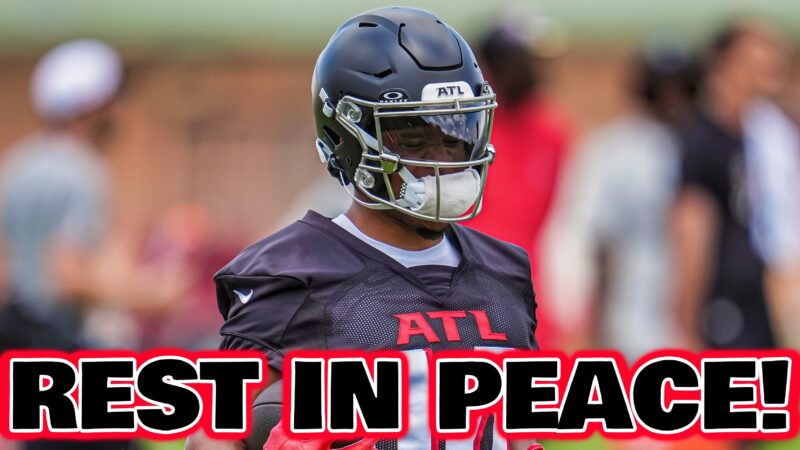
Even though 2026 is still progressing relatively quickly, the NFL has lost some recently retired Hall of Fame players and other players who made a key impact for their respective teams during their playing careers throughout the decades. Some of these guys you may recognize, and others you may not, as passings are tragic and unexpected. Hearing about someone passing away is always heartbreaking for everyone who knew these amazing people and what they accomplished in their lives on and off the football field. These tragic deaths also serve as a reminder that life is short and should be enjoyed every day to the fullest. We’re going to look back at these NFL players and remember all they accomplished on the field here at TPS, and what they did after their football careers came to an end. Which NFL players have sadly passed away this year? John BrodieNov 14, 1965; Detroit, MI, USA; FILE PHOTO; San Francisco 49ers quarterback John Brodie (12) in action against the Detroit Lions at Tiger Stadium. The 49ers defeated the Lions 27-21. Mandatory Credit: Malcolm Emmons- USA TODAY Sports Brodie was the starting quarterback for the San Francisco 49ers from 1957 to 1973, made two Pro Bowls with the franchise, led the team to the playoffs four times, won the 1965 NFL Comeback Player of the Year award, won the 1970 NFL MVP award, and is enshrined in the College Football Hall of Fame for his on-field accomplishments at Stanford. Despite throwing 224 interceptions against 214 touchdowns, Brodie was a prolific passer during his time in the league, leading the league in passing yards in 1965, 1968, and 1970, and in passing touchdowns in 1965 and 1970. Brodie also led the 49ers to their first playoff win in the 1970 season, defeating the Minnesota Vikings in the NFC Divisional Round, but lost to the Tom Landry-coached Dallas Cowboys in the NFC Championship game. He was also a golfer, playing for the Stanford Cardinal and later going professional with the Senior PGA after his football career concluded. Brodie competed on the Senior PGA Tour from 1985 to 1998, winning the 1991 Security Pacific Senior Classic and earning $735,000 during his career. Brodie passed away on January 23, 2026, at the age of 90. Matt SnellJan 12, 1969; Miami, FL, USA; FILE PHOTO; New York Jets running back Matt Snell (41) celebrates as he leaves the field following the defeat of the Baltimore Colts in Super Bowl III at the Orange Bowl. The Jets defeated the Colts 16-7 to become the first AFL team to win the Super Bowl. Mandatory Credit: Darryl Norenberg-USA TODAY Sports Snell was a fullback who played for the New York Jets, helping them win Super Bowl III, and made three AFL All-Star appearances. He also won the 1961 National Championship with the Ohio State Buckeyes and is enshrined in the Jets’ Ring of Honor. Snell was a versatile and complete player in his heyday with the Jets, as he rushed for 4,287 yards, scored 24 rushing touchdowns in both the AFL and NFL, caught 193 receptions for 1,375 yards, and scored seven touchdowns. Snell was a key figure in the Jets’ lone Super Bowl win, as he rushed for 121 yards on 30 carries and scored the team’s only touchdown that game. After his playing career, Snell was a partner for DEFCO Securities Inc. and owned a restaurant in New York City. Snell passed away on March 10, 2026, at the age of 84. Rondale Moore Moore was an explosive, versatile wide receiver during his collegiate career with the Purdue Boilermakers from 2018 to 2020. Moore broke out onto the national scene in his freshman year, where he caught 114 receptions for 1,258 yards, scored 12 receiving touchdowns, rushed for 213 yards on 21 carries, and scored two rushing touchdowns. He was drafted by the Arizona Cardinals with the 49th pick in the second round of the 2020 NFL Draft. Moore played for the Red Birds from 2020 to 2023, as he caught 135 receptions for 1,201 yards, scored three touchdowns, rushed for 249 yards on 52 carries, and scored one rushing touchdown in 2023. The former NFL player had stints with the Atlanta Falcons and Minnesota Vikings in 2024 and 2025, respectively. However, he dealt with a knee injury that kept him out of action in 2024 and a season-ending knee injury he endured during a preseason game against the Houston Texans in 2025. Moore tragically passed away on February 21, 2026, in the garage of a house in New Albany, Indiana, at the age of 25. Sonny JurgensenOct 20, 1968; St. Louis, MO, USA: FILE PHOTO; Washington Redskins quarterback Sonny Jurgensen (9) in action against the St. Louis Cardinals at Busch Stadium. Mandatory Credit: Herb Weitman-USA TODAY Sports Jurgensen was the star quarterback for the Philadelphia Eagles and Washington from 1957 to 1974. Jurgensen helped the Eagles to the 1960 NFL Championship in a 17-13 win over Vince Lombardi’s Packers, made five Pro Bowls, was a two-time First Team All-Pro, was a two-time second-team All-Pro, led the league in passing yards in 1961, 1962, 1966, 1967, and 1969, led the league in passing touchdowns in 1961 and 1967, has his number retired by Washington, and is enshrined in the Pro Football Hall of Fame. He truly became an iconic NFL player when the Eagles traded him to Washington in 1964. He was spectacular on the field and helped the team reach Super Bowl VII, but he didn’t play due to nagging injuries at the time. Jurgensen’s only playoff appearance came at age 40 in a game against the Los Angeles Rams, when Washington lost 19-10 back in 1974. He was strongly dedicated to winning games and excelled under pressure during his prime, especially in his final NFL season. Jurgensen was a color commentator on TV immediately after his playing career, beloved by Washington fans, and retired from broadcasting in 2019. Jurgensen passed away in Naples, Florida, on February 6, 2026, at the age of 91. Joey BrownerOct 27, 2013; Minneapolis, MN, USA; Former Minnesota Vikings safety Joey Browner smiles as his was honored before the game with the Green Bay Packers at Mall of America Field at H.H.H. Metrodome. The Packers win 44-31. Mandatory Credit: Bruce Kluckhohn-USA TODAY Sports Browner was a dominant safety for the Minnesota Vikings and one season with the Tampa Bay Buccaneers from the 1980s to the early 1990s, as he made six Pro Bowls, was on the NFL 1980s All-Decade Team, and is enshrined in the Vikings’ Ring of Honor. Browner was a bone-crushing safety who caused havoc against opposing defenses with his bruising hits. He had 9.5 sacks, 37 interceptions returned for 465 yards, scored three pick-sixes, had 17 forced fumbles, and one fumble recovered for a touchdown. Browner also helped the Vikings reach the playoffs in 1987, 1988, and 1989. The closest Browner got to reaching a Super Bowl was in the 1988 NFC Championship game, when the Vikings lost 17-10 to Washington, who went on to win the Super Bowl that season. He appeared in seven games for the Buccaneers and started two of them in his lone season with the team in 1992. However, his time with the Vikings is more memorable, thanks to the grit and strength he showcased on the field. Browner was nominated for the Pro Football Hall of Fame nine times but was never selected. Browner passed away on March 28, 2026, at the age of 65. His former teammate Steve Jordan said he lost a great friend and one of the best Vikings teammates he’s ever had. Barry WilburnJan 31, 1988; San Diego, CA, USA; FILE PHOTO; Washington Redskins cornerback Barry Wilburn (45) celebrates after intercepting Denver Broncos quarterback John Elway (not pictured) during Super Bowl XXII at Jack Murphy Stadium. Washington defeated Denver 42-10. Mandatory Credit: Manny Rubio-USA TODAY Sports Wilburn was a standout cornerback who played in the NFL and CFL, helping Washington win Super Bowl XXII and the B.C. Lions win the 82nd Grey Cup against the Baltimore Stallions. Wilburn earned a First-Team All-Pro in 1987 and led the league in interceptions that season as well, with nine. He had 20 interceptions returned for 196 yards, scored a pick-six in 1987, had a forced fumble, six fumble recoveries, and 246 tackles during his time in the NFL as a player. Wilburn spent two seasons in the CFL playing for the Saskatchewan Roughriders and B. C. Lions in 1993 and 1994, respectively. He had three interceptions returned for a total of 42 yards with the Roughriders and Lions. He signed a deal with the Winnipeg Blue Bombers in 1999, three years after he was released by the Philadelphia Eagles, and played in eight games for the Blue Bombers. Wilburn served as a defensive backs coach for Howard University in 2007. Wilburn tragically died in a house fire at his residence in Memphis, Tennessee, on February 6, 2026. He was 62 years old. Derrick Clark Clark was a running back who entered the NFL as an undrafted free agent player and signed with the Denver Broncos in 1994. He rushed for 168 yards on 56 carries, scored three touchdowns, and caught nine receptions for 47 yards. Clark re-signed with the Broncos in 1996 and was allocated to the Rhein Fire of the World League of American Football. He was the team’s leading rusher in 1996, rushing for 399 yards on 84 carries, scoring three rushing touchdowns, and had 37 receptions for 229 yards with the Fire. Clark also helped the Fire win the sixth World Bowl in 1998. Clark had stints on the Broncos’ practice squad in 1996 and the Oakland Raiders in 1997, but never played a regular-season game with them. He spent four seasons with the Rhein and signed with the Orlando Rage of the XFL in 2001, and led the team with seven touchdowns in the league’s only season. Clark was also one of three football players from Evangel University to make it to the NFL and was inducted into the college’s Hall of Fame in 2021. Clark passed away on February 15, 2026, at the age of 54. Ed BlaineJan 12, 2025; Philadelphia, Pennsylvania, USA; Green Bay Packers helmet on the sidelines against the Philadelphia Eagles in an NFC wild card game at Lincoln Financial Field. Mandatory Credit: Eric Hartline-Imagn Images Blaine was an offensive guard who played one season for Vince Lombardi’s Green Bay Packers and four seasons with the Philadelphia Eagles. Blaine played his collegiate football for the Missouri Tigers from 1959 to 1961, and helped the team win the 1960 Orange Bowl against the Navy Midshipmen 21-14. He also helped the Packers win the 1962 NFL Championship game against the New York Giants 16-7. He was traded to the Eagles in 1963 and started in 56 games for the franchise in his four seasons with the team. After Blaine’s football career ended, he earned a doctorate in physiology from the University of Missouri in 1970 and had a long and interesting career in academia studying kidney function and its connection to cardiovascular disease. He also taught at the Medical School at the University of Missouri, along with conducting research on the effect of salt on kangaroos at the Howard Foley Institute in Melbourne Austrailia from 1992 until his retirement. Blaine passed away in his St. Louis home on March 22, 2026, at the age of 86. Mike Wagner Wagner was a hard-hitting safety who spent his entire NFL career with the Pittsburgh Steelers from 1971 to 1980 with the “Steel Curtain” defense. Wagner helped the Steelers become a dynasty in the 1970s, being a part of the team’s four Super Bowl wins. He made two Pro Bowls as a player, was a First-Team NFL All-Pro in 1973, was a Second-Team All-Pro in 1976, was the interception co-leader in 1973 with Dick Anderson of the Miami Dolphins, as they both had eight interceptions, and is enshrined in the Steelers’ Hall of Honor. Wagner played in 119 games, started in 116 of those games, had 36 interceptions for 491 yards, and had 12 fumble recoveries with the Steelers. After retiring from playing football, Wagner served as a defensive backs coach at Pine-Richland High School in Gibsonia, Pennsylvania, and earned a bachelor’s degree in accounting and worked in the financial industry. Wagner also earned an M.B.A. from the University of Pittsburgh and was a bank vice president in Pittsburgh. Wagner passed away from pancreatic cancer on February 18, 2026, at the age of 76. Tracy Scroggins Scroggins was a standout defensive end and linebacker, spending his whole playing career with the Detroit Lions from 1992 until 2001. Scroggins played in 142 games with the Lions and started in 89 of them. He had one interception in 1993, had six pass deflections, eight forced fumbles, seven fumble recoveries, scored two touchdowns from his fumble recoveries, had 321 tackles, scored a safety in 1997, had 60.5 sacks, and has the third most sacks by a Detroit Lion behind Mike Cofer and Robert Porcher. He had six sacks in seven seasons with the Lions, making him one of their fiercest defensive players during his time on the field. Scroggins helped the Lions reach the playoffs five times in his career, and helped them win the NFC Central in the 1993 season before the team was defeated by the Green Bay Packers in the Wildcard Round of the playoffs that season. Scroggins earned a bachelor’s degree in Criminal Justice from the University of Detroit while playing for the Lions. After his playing career, Scroggins was a prominent voice raising awareness of the dangers of Chronic Traumatic Encephalopathy (CTE). He also earned a real estate license in Florida and enjoyed spending time with family. Scroggins passed away at the age of 56, as his family stated he struggled with CTE.
Dianna Russini cannot catch a break.
Free agency is supposed to be the great equalizer in the NFL. It gives players the right to enter the market and seek out other NFL teams. They put in the production and outperform contracts year after year. And then, finally, get paid what they’re actually worth. Only… it doesn’t always work that way. Because in a league where the franchise tag exists specifically to trap elite players… where rolling guarantees are the norm and fully guaranteed money is a fight to even get on the table… getting to free agency healthy, happy, and at market value is genuinely hard. And sometimes a team doesn’t just make it hard. They make it personal, and sometimes it gets ugly. Here are 10 times a team completely screwed a player over in free agency. Which NFL players were badly screwed by a team in free agency? Steve Smith Sr., WR, Carolina Panthers (2014)Oct 6, 2019; Charlotte, NC, USA; Former Carolina Panthers wide receiver Steve Smith Sr. speaks during the Hall of Honor ceremony during halftime against the Jacksonville Jaguars at Bank of America Stadium. Mandatory Credit: Jeremy Brevard-USA TODAY Sports Thirteen years—that’s how long Steve Smith spent building the Carolina Panthers franchise into something worth watching. Every record in their books had his name on it… 12,197 receiving yards, 836 catches, 67 touchdowns. The man was the Carolina Panthers. And on March 13, 2014, they called him and told him he was done—a move driven by GM Dave Gettleman’s desire to change the team culture and a belief that Smith had lost his top-end speed. Sure, Smith was 34 years old… and salary cap casualties are not uncommon in the NFL, but he was a legend in Charlotte. Shortly thereafter, he signed with Baltimore for three years and $11.5 million. He promised Carolina there would be “blood and guts everywhere” when he came back. And in Week 4 of the 2014 season, he delivered. 139 yards. Two touchdowns. A 38-to-10 Ravens rout of the same franchise that had discarded him. That scoreboard said everything words couldn’t. To be clear about what the Panthers did here… this wasn’t a situation where Smith was in decline. He caught 64 passes for 745 yards in 2013 at age 34. He was still producing—even on a terrible NFL team. And it was the way that Gettleman went about it that made it all the more disrespectful You don’t cut the all-time franchise leader for cap flexibility and expect him to take it quietly. Steve Smith made absolutely sure of that. Bo Jackson, RB, Tampa Bay Buccaneers (1986)Oct 4, 2015; Chicago, IL, USA; Oakland Raiders former player Bo Jackson looks on prior to the game between the Chicago Bears and the Oakland Raiders at Soldier Field. Mandatory Credit: Matt Marton-USA TODAY Sports What the Tampa Bay Buccaneers did to Bo Jackson was something different than just regular, old-fashioned market manipulation… They didn’t game the system. They lied to a 23-year-old kid and burned his college baseball eligibility to the ground on purpose. A month before the 1986 NFL Draft, Buccaneers owner Hugh Culverhouse, an Alabama alum, by the way, arranged for a private jet to fly Jackson to Tampa for a physical and a facility visit. At the time, Jackson was in the middle of his senior baseball season at Auburn and had the good sense to ask about eligibility. He was told explicitly that the trip had been cleared by the NCAA and the SEC. It had not been cleared by anyone. The SEC had a rule that barred athletes from being professionals in one sport while still amateurs in another. The moment Jackson took that jet and those benefits from an NFL franchise, his college baseball eligibility was gone. Just like that. Senior season over. Jackson has said for decades that he believes it was deliberate. And the consensus is that Culverhouse saw a generational athlete with a legitimate path to a two-sport career and decided the only way to force him into football was to take the other option off the table. His baseball coach at Auburn confirmed that nobody from either camp mentioned the trip to him beforehand. Had he known about the SEC rule, he said, he would have told Jackson immediately. Needless to say, Bo was furious and told the Buccaneers not to bother drafting him because he would not suit up… Of course, Tampa Bay drafted him anyway, first overall, no less. Jackson proceeded to turn down a five-year, $7.6 million contract, the richest rookie deal in league history at the time. He then signed with the Kansas City Royals for $1.07 million over three years. He said in a recent interview that he played baseball for one reason: because he wasn’t going to Tampa. The Raiders drafted him in the seventh round the following year and told him he could play both sports. And the rest is history! He became the most famous two-sport athlete in American history and one of the most iconic figures the sports world has ever seen. Plus, he helps out those in need, too. Le'Veon Bell, RB, Pittsburgh Steelers (2017-2018)Pittsburgh Steelers running back Le’Veon Bell from last January. XXX IMG_XXX_SW_LE_VEON_BELL__1_1_NKN22DFI.JPG The Steelers told Le’Veon Bell straight to his face that they would get his contract done. The day after a divisional playoff loss to Jacksonville, Bell was pulled into an office. Kevin Colbert and Mike Tomlin told him they’d tag him for 2018, but that this time, they’d get the long-term extension figured out. Bell later said that the conversation was the whole reason he agreed to take another tag without a fight… As we all know now, they did not get the long-term extension figured out. Instead, they came back with five years, $70 million, but only $20.5 million guaranteed in Year 1, with everything else riding on rolling guarantees… For a running back who’d absorbed 321 carries in a single season and was functionally their most important offensive player, that is crazy. Pittsburgh basically said: we’ll use your body until it breaks and hand you as little security as we can get away with. Bell sat out the entire 2018 season. Left $14.5 million on the table. Cost himself a year of prime production for this NFL team. He signed with the Jets for four years and $52.5 million the following spring. Did the holdout backfire eventually? Sure. But what Pittsburgh asked him to absorb on the field for what they put on the table in return was never close to fair. And everyone in that building knew it. Trent Williams, OT, Washington Redskins (2019)Dec 30, 2018; Landover, MD, USA; Washington Redskins offensive tackle Trent Williams (71) and Redskins defensive end Jonathan Allen (93) run onto the field prior to the Redskins’ game against the Philadelphia Eagles at FedEx Field. The Eagles won 24-0. Mandatory Credit: Geoff Burke-USA TODAY Sports In 2013, Trent Williams noticed a growth on his head. He told the Redskins’ medical staff about it. They told him it was a cyst… Something minor and nothing to worry about. He kept complaining, and his NFL team told him the same thing over and over again… reportedly for six years. In the 2019 offseason, Washington finally sent him to a specialist and found out he had a rare, aggressive soft-tissue cancer attached to his skull. The surgery to remove it required 350 stitches and 75 staples. The incision was the diameter of a softball. By the time doctors got to it, they told Williams they had caught it within weeks of it metastasizing to his brain. Trust was broken, and Williams held out the entire 2019 season—and the team used a loophole to avoid paying him… Because he failed a physical due to discomfort with his helmet from the surgery and was placed on the non-football injury list, they were able to withhold payment for the rest of the season… and refused to trade him for months on end. Finally, he was mercifully traded to San Francisco in 2020, where he reclaimed his status as one of the best linemen in the game. So, not a clean “free agency” screw over here, but such dirty business that it simply had to be included. Reggie White, DE, Philadelphia Eagles (1993)Sep 30, 1990, Philadelphia, PA, USA; FILE PHOTO; Philadelphia Eagles Defensive End #92 REGGIE WHITE in action against the Indianapolis Colts at Veterans Stadium. The Colts defeated the Eagles 24-23. Mandatory Credit: Photo By USA TODAY Sports © Copyright USA TODAY Sports Before the modern franchise tag, NFL teams used a franchise player designation that functioned the same way—a unilateral veto on a player’s freedom—and the Eagles used it to hold Reggie White in place for years. One of the greatest defensive players in history, sitting at below-market value because the league had designed a system specifically to limit what players could earn. White helped lead the legal fight that cracked the whole thing open. His involvement was central to the 1993 settlement that finally brought real free agency to the NFL. And when the market finally opened? Philadelphia showed up with an offer that didn’t match what he was worth. It wasn’t long until the Packers came calling, and White signed a four-year, $17 million contract in Green Bay. He won a Super Bowl. He became one of the five greatest players who ever lived. Philadelphia got nothing. The Eagles spent years blocking the man’s freedom, treated the moment his leverage arrived like a formality, and watched him walk to a championship without them. It set the template for every franchise tag dispute that followed. Kirk Cousins, QB, Washington Redskins (2016-2017)Aug 18, 2012; Chicago, IL, USA; Washington Redskins quarterback Kirk Cousins (12) during the second half against the Chicago Bears at Soldier Field. The Bears won 33-31. Mandatory Credit: Dennis Wierzbicki-USA TODAY Sports Washington franchise-tagged Kirk Cousins not once, but twice. The first year, he made $19.9 million. The second year, $23.9 million. He became the first quarterback in NFL history to play consecutive seasons under the franchise tag. Two years of holding a franchise hostage with his own production while Washington kept pretending their offers were serious. Their best long-term offer, by multiple accounts, would have only guaranteed him one more year beyond what the transition tag would have paid automatically. That’s not a contract. That’s just arithmetic. He rescued them from the RGIII disaster and led Washington back to relevant football. And the team came back with half measures every time. Fortunately for Cousins, he was able to escape the grasp of Washington. He walked to Minnesota in 2018 and signed the first fully guaranteed quarterback contract in NFL history. Three years, $84 million, every penny of it guaranteed. Not too shabby! Earl Thomas, S, Seattle Seahawks (2018)Oct 20, 2019; Seattle, WA, USA; Seattle Seahawks running back C.J. Prosise (22) is tackled by Baltimore Ravens free safety Earl Thomas (29) in the second quarter at CenturyLink Field. The Ravens defeated the Seahawks 30-16. Mandatory Credit: Kirby Lee-USA TODAY Sports Earl Thomas told the Seahawks exactly what he wanted… an extension. Or a trade. Something that acknowledged the way he played football, which was, by any reasonable measure, at an All-Pro level for eight straight seasons. He published a letter during his 2018 holdout that put it plainly: if you’re risking your body to deliver all of this value, you deserve some assurance that the organization will take care of you if you get hurt. Seattle would not budge. They also reportedly had a chance to trade him to Dallas for a second-round pick and passed because they didn’t want to help the Cowboys before the two NFL teams played in Week 3. Thomas came back from the holdout because missing weekly game checks of $500,000 wasn’t sustainable. In Week 4 against Arizona, he broke his leg on the same limb he’d fractured two years earlier. As the cart took him off the field, he gave the Seahawks sideline the middle finger. It was not a complicated message. He went to Baltimore for four years and $55 million the following spring—a good deal, but a fraction of what he would’ve gotten had he not gotten hurt. Steve McNair, QB, Tennessee Titans (2006)Tennessee Titans quarterback Steve McNair (9) is being pulled down by St. Louis Rams linebacker Todd Collins (54) during the second quarter of Super Bowl XXXIV inside the Georgia Dome Jan. 30, 2000. Tennessee Titans Vs St Louis Rams In Super Bowl Xxxiv Football On April 3rd, 2006, Steve McNair showed up at the Tennessee Titans’ facility for offseason workouts. A team trainer told him to leave. Not in a meeting. Not with a discussion about the future. McNair… the franchise’s all-time winningest quarterback, their co-MVP from 2003, the man who had dragged that organization to a Super Bowl appearance and given them the best decade of football in franchise history—was told to leave the building because Tennessee didn’t want to be liable for his $23.46 million cap number if he got hurt on their property. That’s right. They kept asking him to restructure his deal every year to create cap room, inflating his cap figure each time. And when the bill finally came due, they literally locked their franchise quarterback out of the building. McNair filed and won a grievance, as an arbitrator ruled that a player under contract has a right to work out at his team’s facility. The fact that it had to go to arbitration at all says everything about the way the Titans ran their organization at that time. In any case, he was eventually traded to Baltimore, where he led the Ravens to a 13-and-3 record in 2006. Made the Pro Bowl at 33 years old. Drew Brees, QB, San Diego Chargers (2006)Dec 15, 2002; Orchard Park, NY, USA; FILE PHOTO; San Diego Chargers quarterback Drew Brees (9) in action against the Buffalo Bills at Ralph Wilson Stadium. The Bills defeated the Chargers 20-13. Mandatory Credit: MPS-USA TODAY Sports Our younger fans may not remember this, but Drew Brees suffered one of the most devastating shoulder injuries in NFL history in the final game of the 2005 season. A 360-degree labrum tear with a deep partial rotator cuff tear. Brees later said he wasn’t sure he’d ever put on a football uniform again. So, it wasn’t a huge shock when San Diego’s offer that offseason came in rather low… but it still felt wrong… like dirty business! It was a four-year, $50 million contract… but with only a couple of million in Year 1 guaranteed money—which was wild. Realistically, it was backup quarterback money for an NFL team dressed up in big headline numbers and buried in the fine print. But to be fair, the skepticism about Brees’ prospects of playing good football again was not isolated in San Diego… Only two other teams even called. Miami had its doctors examine the shoulder for hours, and ran the other direction. New Orleans and Sean Payton, on the other hand, sat with Brees for two hours watching film, talking schemes, never once mentioning the injury. Brees signed six years and $60 million contract with the Saints, where he went on to win a Super Bowl and became one of the NFL’s most decorated passers, while the Chargers continued to toil away in mediocrity. Kirk Cousins, QB, Atlanta Falcons (2024)Dec 22, 2024; Atlanta, Georgia, USA; Atlanta Falcons quarterback Kirk Cousins (18) prepares for a game against the New York Giants at Mercedes-Benz Stadium. Mandatory Credit: Brett Davis-Imagn Images Believe it or not, Kirk Cousins has actually been done dirty twice! Atlanta handed Kirk Cousins a four-year, $180 million contract in March 2024. $100 million fully guaranteed. The largest commitment in franchise history… So it is hard to feel that bad for him… But six weeks later, they used the eighth overall pick in the draft on Michael Penix Jr. Read that again. The Falcons gave a quarterback $100 million in guaranteed money and then, before he threw a single pass in the regular season, told the world they already had his replacement on the way. The optics alone were staggering. The actual football logic was somehow worse. By midseason, the Falcons benched Cousins for Penix — a rookie who wasn’t ready and a situation nobody in that building had thought through properly. Granted, this NFL team screwed itself over in the process, but needless to say, Cousins was not thrilled either.
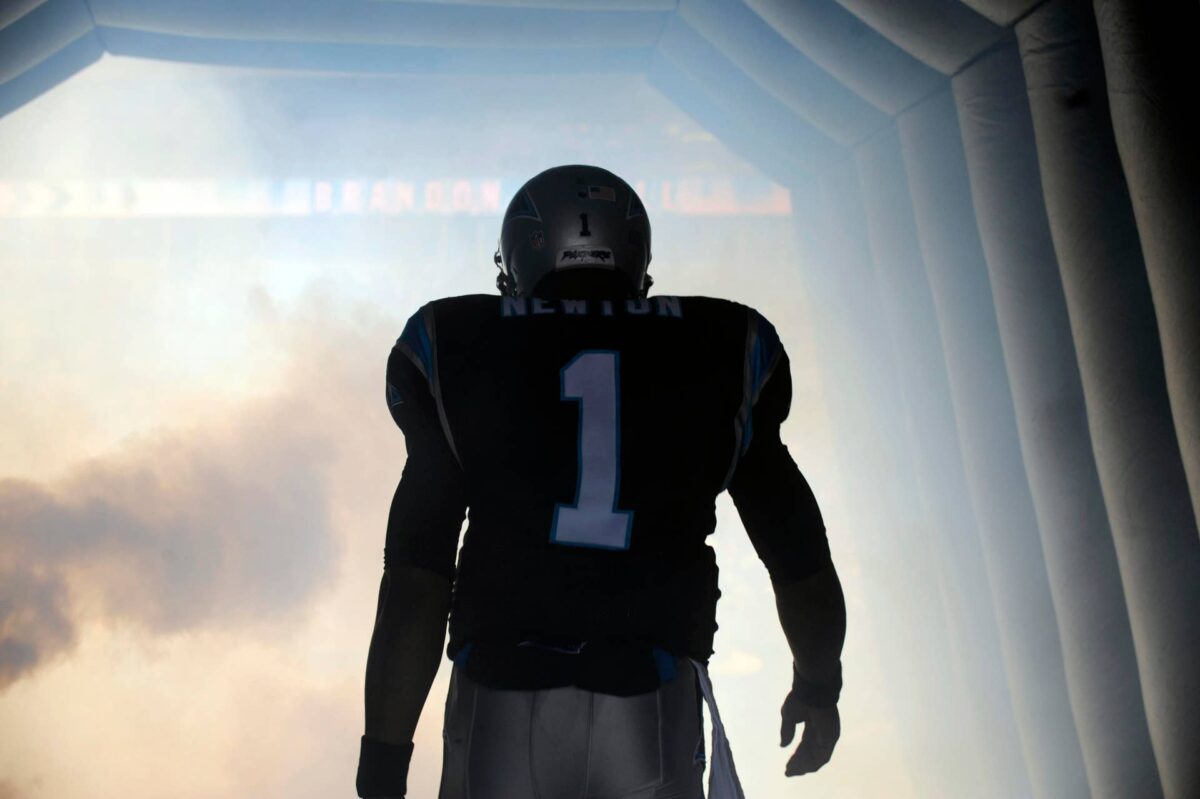
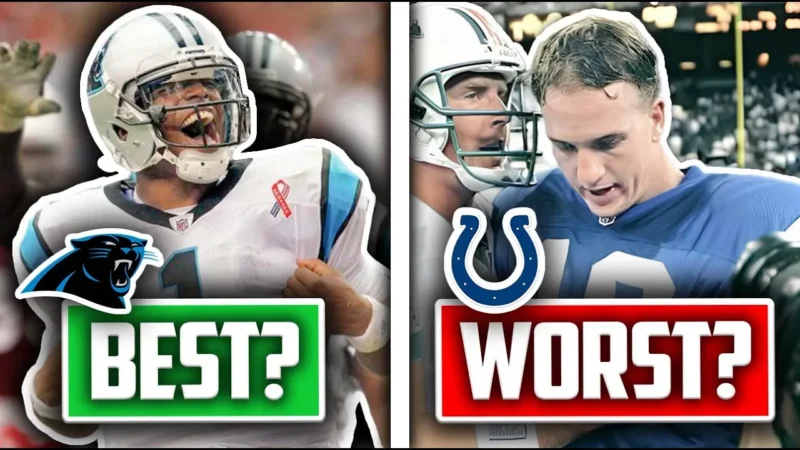
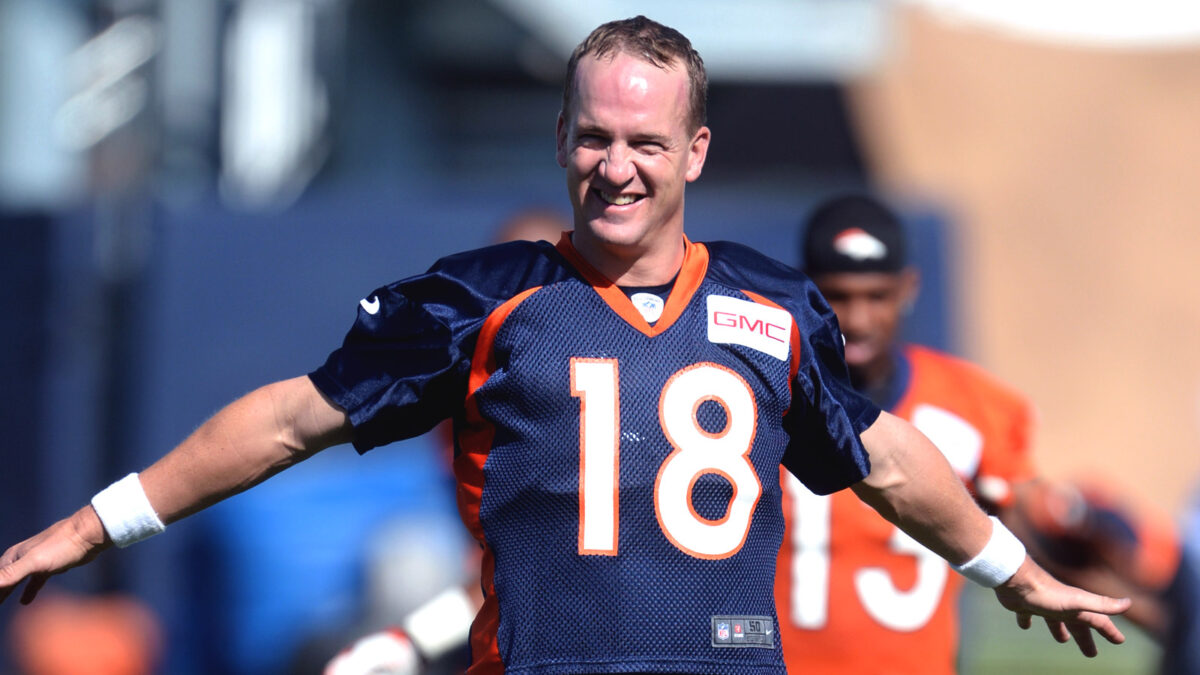
Starting your NFL career as a rookie quarterback comes with enormous pressure and some players shine under the spotlight, while others completely crumble. From record-breaking first games to unforgettable flops, we break down the five best and five worst rookie QB debuts in NFL history. Which NFL rookie QB had the best and worst debuts? Best NFL Rookie Debut: Cam Newton vs. Arizona Cardinals, 2011Sept. 11, 2011; Glendale, AZ, USA; Carolina Panthers quarterback (1) Cam Newton against the Arizona Cardinals at University of Phoenix Stadium. The Cardinals defeated the Panthers 28-21. Mandatory Credit: Mark J. Rebilas-USA TODAY Sports Let’s start things off with one of my personal favorites—and maybe the most jaw-dropping debut in NFL rookie history. Cam Newton was fresh off a Heisman and a national title at Auburn—yet he was still the subject of intense media scrutiny as the number 1 pick in 2011. The takes at the time were rough. Half the media called him “the next big thing.” The other half said, “Nah, his game won’t translate to the pros” in spite of his undeniable talent. So, what did Cam do? He walked into Arizona in Week 1, lined up against Patrick Peterson and company, and casually dropped 422 passing yards—still the most in a QB rookie debut. Add in two touchdowns through the air, a rushing score, and managed to nearly drag a bad Carolina roster to a win. Four hundred yards as a rookie, in your very first NFL game, is not supposed to happen, but Cam came in with the critics breathing down his neck and proved them all wrong and then some. Then, the icing on the cake—he followed it up the next week with another 400-yard performance. Back-to-back—putting egg on the face of the skeptics and haters. Sure, Cam’s career had ups and downs, but that debut was the perfect mic-drop moment for a guy who spent draft season defending himself. Worst: Alex Smith vs. Indianapolis Colts, 2005Dec. 11, 2005; Seattle, Wash, USA; San Francisco 49ers quarterback #11 Alex Smith passes the ball against the Seattle Seahawks in the second quarter at Qwest Field. Mandatory Credit: Photo By Mark J. Rebilas-USA TODAY Sports © Copyright Mark J. Rebilas Alex Smith, better known as the guy San Francisco took instead of Aaron Rodgers as the number 1 pick in 2005, still came into his QB rookie season with sky-high expectations. Fair or not The 49ers were down, but had a long tradition of quarterbacking excellence, and fans wanted their savior. Instead, they got one of the ugliest first starts you’ll ever see from a top pick. Smith got thrown in during garbage time twice before and looked okay, but it all came crumbling down when he became “the guy” against the Colts in Week 5. Smith looked like he was trying to throw to everyone in the building except his own receivers. He finished 9 of 23 for 74 yards and four interceptions. That’s right, four. And it wasn’t just tipped balls or unlucky breaks. It was as if the Colts’ defense was out there running routes for him. San Francisco lost 28 to 3, and by the end of it, the fanbase was already questioning everything, while Rodgers was somewhere in Green Bay, smirking. Now, to Smith’s credit, he eventually rebuilt himself into a solid starter—heck, even made a Pro Bowl and had a long career. But that debut was brutal. Best: Marcus Mariota vs. Tampa Bay Buccaneers, 2015Aug 14, 2015; Atlanta, GA, USA; Tennessee Titans quarterback Marcus Mariota (8) attempts a pass in the first quarter of their preseason NFL football game against the Atlanta Falcons at Georgia Dome. Mandatory Credit: Jason Getz-USA TODAY Sports While the rest of his career didn’t exactly pan out like everyone expected, Marcus Mariota had himself one heck of a debut performance in 2015 as a rookie QB against the Tampa Bay Buccaneers, who selected Jameis Winston 1 pick ahead of him, first overall, no less! And he walked straight into Raymond James Stadium and embarrassed the Bucs defence and front office. The game was hyped as “the showdown of the top two draft picks.” And Mariota didn’t just win it—he annihilated Winston. Mariota threw just 15 passes and four of them went for touchdowns. Talk about efficiency! That is Madden-level stuff. 13 of 15, 209 yards, four TDs, zero picks, and a perfect 158.3 passer rating in his first NFL game… Something that hadn’t been accomplished in 50 years. Meanwhile, Winston’s first NFL pass was a pick-six—that juxtaposition made Mariota look like a franchise saviour. Titans fans were convinced they’d finally found their guy. Of course, Mariota never really became that star. Injuries, inconsistency, and scheme changes slowed him down. Now, he’s a backup for Jaylen Daniels in Washington. But that first Sunday, man, he was flawless. Worst: Peyton Manning vs. Miami Dolphins, 1998 Yes, believe it or not, Peyton Manning belongs on the “worst debuts” list. In fact, his entire rookie season was a bit of a struggle. There were flashes where you saw the talent, but he did end up setting the rookie record for interceptions in the process of kicking off one of the greatest QB careers ever. But his first NFL game was ugly as it gets it came against Miami in 1998, and the first overall pick went 21 of 37 for 302 yards, one touchdown, and… three interceptions. Now, to be fair, 302 yards is nothing to sneeze at. But those turnovers buried the Colts. Manning forced throws, misread coverages, and basically looked like a rookie getting tossed into the deep end Which to be fair—he was. But that didn’t stop the narrative from starting once the final whistle blew and Indy lost 24 to 15… The critics immediately started asking, “Did the Colts pick the wrong guy? Should they have gone with Ryan Leaf?” Ha—laughable looking back, but that was a real conversation. Of course, Peyton turned out just fine—five MVPs, two Super Bowls—on route to establishing himself as the Sheriff. Leaving his debut in fans’ distant memories, though, it should serve as a reminder—sometimes the ugliest first game means nothing long-term. But if you were an Indy fan that Sunday? You had to be sweating hard. Best: Robert Griffin III vs. New Orleans Saints, 2012Aug 18, 2012; Chicago, IL, USA; Washington Redskins quarterback Robert Griffin III (10) throws a pass during the second quarter against the Chicago Bears at Soldier Field. Mandatory Credit: Dennis Wierzbicki-USA TODAY Sports Few debuts ever matched the electricity of RGIII in New Orleans. Heck, his whole rookie season was the stuff of legends. Especially when you factor in the small fortune that Washington had traded to move up and get him in the draft, he was the Heisman winner, the guy with Olympic speed and a rocket arm. And in his very first game, he looked unstoppable. Full stop. Griffin went 19 of 26 for 320 yards, two touchdowns, no picks, and added 42 rushing yards. He walked into the Superdome, lit up the Saints’ defence, and left with a 40–32 win. His passer rating was an astronomical 139.9, almost perfect. It wasn’t just the athleticism that jumped off the screen either… his passing looked sharp, highlighted by the 88-yard bomb to Pierre Garçon that silenced the crowd. And against the blitz—when rookie QBs usually panic—he went 8 of 9 for 188 yards and two scores. He looked like a ten-year vet. That debut was so impressive that Washington fans started throwing around words a few too many “S” words like “savior” and “Super Bowl.” Sadly, injuries derailed his career way too early. But for one game, RGIII was everything he was hyped to be—and more. But don’t feel too bad for him. He’s been doing extremely well since retiring. Worst: Matthew Stafford vs. New Orleans Saints, 2009Detroit Lions QB Matthew Stafford warmed up for their Thanksgiving Day game against the Green Bay Packers in Detroit, Thursday, November 26, 2009. JULIAN H. GONZALEZ/Detroit Free Press ORG XMIT: 6764733W Sports Fbn Lions Stafford De Well, this was one was a bit of foreshadowing for his challenging days in the Motor City… but—hey, at least he got to Los Angeles to salvage his legacy and win a ring. Yes, folks—we are talking about another former number one overall pick in Matthew Stafford, who had a very challenging start to what will likely be a Hall of Fame career. Stafford was drafted to save the Detroit Lions after their infamous 0-16 season, but his debut against the Saints in 2009 wasn’t exactly the fresh start fans were dreaming of. Stafford went 16 of 37 for 205 yards, zero touchdowns, and three interceptions. He did score a rushing touchdown, but it barely mattered in a 45-27 blowout loss. It was rough. Especially for a fanbase that had just suffered through a 0 and 16-season, only to then see its shiny new QB throw three picks in Week 1, that’s the kind of pain only Lions fans truly understand. Best: Frank Tarkenton vs. Chicago Bears, 1961Minnesota Vikings tackle Frank Myers (74) tries to block Green Bay Packers defensive end Ezra Johnson (78) as he chases the quarterback Fran Tarkenton (10) on Oct. 22, 1978, at the Metropolitan Stadium in Minneapolis, Minnesota. The Minnesota Vikings defeated the Green Bay Packers 21-7. Gpg Throwback Packers Vs Vikings 11052022 0021 Alright, let’s take it way back for this one. You can’t talk about rookie QB debuts without tipping your cap to Fran Tarkenton—because the man set the standard before most of today’s highlight reels were even filmed in color. September 17th, 1961. It’s the very first game in the Minnesota Vikings franchise history. They’re facing George Halas’ Chicago Bears—a team that had been around since the NFL’s stone age. Nobody expected much from an expansion squad with a 21-year-old rookie quarterback… But the rookie came in and dominated, torching the Bears for 250 yards and four touchdowns. Keep in mind, this was against one of the most respected defenses of the era and Minny didn’t squeak by either, they steamrolled Chicago by a final score of 37 to 13. Tarkenton’s passer rating in that game was a perfect 158.3, something almost unheard of at the time Literally because the stat didn’t exist yet! But with a look back, the stat was replicated by a rookie for over 50 years! And to his credit, he wasn’t just a one-hit wonder. Tarkenton went on to redefine what quarterback play could look like. He was running around, improvising, playing backyard football before it was the thing to do… By the time he retired, he was the league’s all-time leader in passing yards and touchdowns—and it all started with that epic showing against Chicago. Worst: Don Gault vs. Pittsburgh Steelers, 1970Nov 17, 2024; New Orleans, Louisiana, USA; Detailed view of the Cleveland Browns helmets on a time out against the New Orleans Saints during the first half at Caesars Superdome. Mandatory Credit: Stephen Lew-Imagn Images Don Gault’s one-and-done appearance might be the ultimate “blink and you missed it” career. Except Browns fans who sat through that game probably wish they had missed it… Hofstra legend Gault’s NFL résumé was practically nonexistent heading into 1970. He went undrafted, spent two full years stashed away on Cleveland’s practice squad, and only saw the field because starter Bill Nelsen got hurt. Needless to say, Gault failed to deliver. Gault played just one half of football. In that time, he managed to complete one pass out of 16 attempts. One. For 44 yards. He threw two interceptions, finished with a 0.0 passer rating, and led Cleveland to just three total first downs while he was under center. Fans in the stands must have been wondering if they accidentally wandered into a practice instead of an actual NFL game. To make the matter all the more painful for Gault, he never got another meaningful shot. He hung around as a backup for a few years but never threw another regular-season pass. His entire NFL career is essentially remembered for this single disaster. Best: Will Levis vs. Atlanta Falcons, 2023Tennessee Titans quarterback Will Levis (8) celebrates on the field after defeating the Atlanta Falcons at Nissan Stadium in Nashville, Tenn., Sunday, Oct. 29, 2023. Every once in a while, a rookie QB comes out of nowhere and drops a performance so outrageous, you can’t even believe what you’re watching… Especially when you look back and compare it to the rest of his career. That was Will Levis in Week 8 of the 2023 season. Four touchdowns in his very first NFL start. He went 19 of 29 for 238 yards, four scores, no picks, and a 130.5 passer rating. Three of his four touchdowns went to Hopkins, and suddenly the Titans’ offense looked like it had life again despite their brutal 2- four start to the season. The guy went out there in his first start and absolutely shredded a good NFL defense like he was waiting his whole life for this exact stage. Too bad he couldn’t keep the act going in the Music City, as he flamed out and the curtains closed on him not too long after. Worst: Brandon Weeden vs. Philadelphia Eagles, 2012Dec 9, 2012; Cleveland, OH, USA; Cleveland Browns quarterback Brandon Weeden (3) throws a pass in the second quarter against the Kansas City Chiefs at Cleveland Browns Stadium. Mandatory Credit: David Richard-USA TODAY Sports It’s tough to imagine a debut going much worse than the one Brandon Weeden put on tape. Cleveland drafted Weeden in the first round of 2012, even though he was just weeks away from turning 29 years old. An older rookie QB. He was literally older than some of the established quarterbacks already in the league. So the scrutiny was high to say the least… Could a guy who spent most of his twenties playing minor league baseball really be the future at quarterback? The answer came fast. Week 1 against the Philadelphia Eagles, Weeden looked completely overwhelmed. He went 12 of 35 for 118 yards, no touchdowns, and four interceptions. That’s a completion percentage barely above 34 percent. His passer rating? 5.1. Not fifty-one… five point one. For comparison, if Weeden had just spiked the ball into the dirt on all 35 attempts, his rating would’ve been higher. To make matters worse, Cleveland actually managed to stay in the game pretty much until the final whistle! All they needed was some half-decent quarterback play, and they would’ve taken it home… but they chose to go with Brandon Weeden. Classic Browns. Needless to say, things didn’t get much better for Weeden in Cleveland or at any of his other stops—and he was chased out of the league in short order.
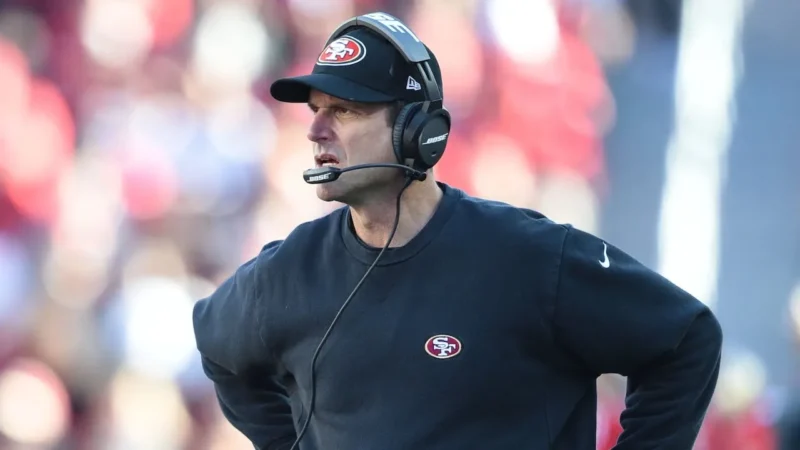
Playing in the NFL is hard, but there is a serious argument to be made that being a successful head coach in the league is an even steeper challenge. Not only do you have to operate as the CEO of a highly publicized company effectively, but you also have to manage dozens of professional athletes while deploying a successful strategy on offense and defense. To say that it takes a whole lot to get it right is a massive understatement. So, when you find the right guy, it is pivotal to keep him in town no matter what, but NFL owners are impatient. Sometimes they get an itch to make a rogue move, thinking that the team has plateaued and perhaps the grass is greener on the other side—only to realize in short order that they have made a terrible mistake. Let’s take a look back at the 10 WORST Head Coach firings in NFL history that tanked the organizations that let their guy go! Which coaches were unceremoniously fired in the NFL? Bill Belichick, Cleveland Browns/Baltimore RavensJan 1, 1995; Cleveland, OH, USA; FILE PHOTO; Cleveland Browns head coach Bill Belichick prior to the 1994 Wild Card Playoff Game against the New England Patriots at Cleveland Stadium. Mandatory Credit: Photo By USA TODAY Sports © Copyright USA TODAY Sports It’s funny how history rewrites itself. Aside from the whole UNC mess… Today, Bill Belichick is widely regarded as one of the greatest coaches in NFL history… In the 2000’s he became a six-time Super Bowl champ and a feared mastermind that made opposing coaches overthink every last decision. He was essentially the hooded overlord of football’s modern dynasty, but back in Cleveland in the mid-’90s, he was the guy that the Browns handed a pink slip to. Belichick took over a dysfunctional Browns team in 1991—and while his approach wasn’t warm and fuzzy, it was effective at turning things around. The Browns went 11-5 in 1994 and won a playoff game—their only postseason win since the 1980s. But by 1995, the walls were closing in… Modell announced he was moving the franchise to Baltimore, chaos swallowed the season, and Belichick was a casualty in the process. Who knows—maybe if they brought BB along for the ride, they would have been the 2000s dynasty—not the Pats! George Allen, Washington RedskinsSep 16, 1973; Washington, DC, USA; FILE PHOTO; Washington Redskins head coach George Allen on the sidelines during the 1973 season. Mandatory Credit: Photo By Malcolm Emmons-USA TODAY Sports © Copyright Malcolm Emmons If you were to make a list of the most innovative minds in NFL history, George Allen would be somewhere near the top; thus, his exit from Washington in 1977 is one of those classic “what were they thinking?” moments. In his seven seasons with the Redskins, he went 67-30-1, made the playoffs five times, never had a losing season, and won the NFC title in 1972. He built the “Over-the-Hill Gang,” a roster of savvy veterans who outsmarted younger teams every Sunday, and he revolutionised how special teams were coached and valued. Allen was obsessed with preparation—film study, substitutions, clock control—all things that are normal now because he made them normal. Allen reportedly turned down a four-year, $1 million contract extension because he didn’t like ownership’s new demands, and the team promptly showed him the door. Imagine firing a guy who had literally never had a losing season and replacing him with one of his favorite players in Jack Pardee… brutal. Washington ended up sinking into a three-year period of pure mediocrity under Pardee with an even .500 record during his tenure, and they never hit the same heights as they did with Allen until years later, when Joe Gibbs was brought into the fold. Marty Schottenheimer, San Diego ChargersSept. 17, 2006; San Diego, CA, USA; San Diego Chargers head coach Marty Schottenheimer against the Tennessee Titans at Qualcomm Stadium in San Diego, CA. Mandatory Credit: Mark J. Rebilas-USA TODAY Sports © 2006 Mark J. Rebilas This one still stings, even 18 years later. Marty Schottenheimer went 14-2 with the 2006 Chargers — the best regular-season record in franchise history. LaDainian Tomlinson won MVP, Philip Rivers had taken the baton from Drew Brees—and then some, frankly, the team was loaded across the board. Then came the playoff loss to New England, and within a few weeks, Marty was fired over front office tension with GM A.J. Smith. Think about that. A 14-2 coach was shown the door because of office politics. Yes, the playoff loss was a factor… but even the stated reason was “philosophical differences,” but let’s be real, it was an ego collision. And ownership picked the wrong side. People criticised his 5-13 playoff record, but postseason heartbreak doesn’t make a coach bad, especially not when the team continued to suffer untimely injuries, which makes him unlucky. The Chargers didn’t just fire an NFL coach; they fired a culture that prioritized accountability over flash—and, honestly, fans have ownership to blame for never fully capitalizing on all of that mid-2000s talent and bringing home a Super Bowl like many expected them to. George Seifert, San Francisco 49ersJan 29, 1995; Miami, FL, USA; FILE PHOTO; San Francisco 49ers head coach George Seifert on the field prior to Super Bowl XXIX against the San Diego Chargers at Joe Robbie Stadium. The 49ers defeated the Chargers 49-26. Mandatory Credit: RVR Photos-USA TODAY NETWORK If you want a coaching tenure that basically reads like perfection on paper, Seifert delivers. He turned around the San Francisco 49ers in 1989, posting a remarkable 98-30 regular season record over eight seasons, won two Super Bowls, and had the best winning percentage in the NFL at his departure. But then came 1996, where the 49ers ended up going 12 and 4, but were eliminated in the divisional round again by the Green Bay Packers. Instead of another shot at building on that success, he was quietly ushered out. His “resignation” or firing, depending on how honestly you look at it, came because ownership—led by Eddie DeBartolo Jr.—had unrealistic expectations that went beyond regular-season domination… They needed Super Bowl wins every year. When they didn’t get it, they pulled the plug. This, of course, led to some dark days under Steve Mariucci in the Bay Area… The 49ers maintained Seifert’s standards in year 1, going 13 and 3, but fell off a cliff the following year going 4 and 12—and quickly faded into irrelevance way beneath Bartolo’s standards! Jim Harbaugh, San Francisco 49ersJanuary 7, 2011; San Francisco, CA, USA; Jim Harbaugh addresses the media during a press conference after being announced the new head coach of the San Francisco 49ers at the Palace Hotel. Mandatory Credit: Kyle Terada-USA TODAY Sports The 49ers and Jim Harbaugh were like an elite rock band that was super fun to watch on the come-up, but imploded at its peak. From 2011 to 2014, they went 44-19-1, reached three NFC Championships, and came within five yards of capturing a Lombardi Trophy. Then, after one bumpy 8-8 year, which seemingly unearthed years of growing tension with General Manager, Trent Baalke, they “mutually parted ways.” If you are looking for a clean way to sum it up… Basically… Baalke got his feelings hurt because Harbaugh didn’t treat him with kid gloves, so he rashly decided to fire the guy who turned them from 6-10 to perennial contenders. And, as you might’ve expected, the post-Harbaugh years were a disaster. Jim Tomsula and Chip Kelly, both gone within a single season, put up a 7- 25 record, which is simply horrendous. The 49ers didn’t stabilize again until Kyle Shanahan arrived in 2017, which, unsurprisingly, coincided with Baalke’s unceremonious departure from the organization. I understand that Harbaugh’s intensity wore people out, but that’s the cost of greatness. He built that defense’s identity, amplifying the swagger of studs like Patrick Willis and NaVorro Bowman. When the dust settled, it was clear as day that Harbaugh was the straw that stirred the drink out in the Bay Area… and based on the success he had turning around the University of Michigan—and now the Los Angeles Chargers—it’s safe to say Baalke was completely misguided in giving Harbaugh a pink slip. Mike Vrabel, Tennessee TitansNov 30, 2014; Houston, TX, USA; Houston Texans linebackers coach Mike Vrabel prior to the game against the Tennessee Titans at NRG Stadium. Mandatory Credit: Matthew Emmons-USA TODAY Sports It’s rare for a coach to be proven right this quickly… Though… this was one that everyone saw the writing on the wall for. When the Titans fired Mike Vrabel in January 2024, ownership said the team “needed a new direction.” Well, that new direction has been a nosedive. Brian Callahan went 4-19 before being canned this October, and Tennessee has scored just 83 points through six games. Meanwhile, Vrabel took a year off from head coaching to do some consulting work and has since taken the job in New England with his old team, the Patriots. And, well, so far, so good! Yep, the same team that just went 4-13 last year is sitting at 5-2 partway through the 2025 season and has a hilarious 31-13 thumping of the Titans to its name. It had to feel good for Vrabel to win over his old squad after the way ownership tried to throw him under the bus. What is crazy is that he is bringing a very similar impact to New England that he did when he got to Tennessee. He’s rebuilt the defense, put an unproven quarterback in a position to succeed, and has the whole locker room buying in. What’s wild is how obvious this outcome felt. Vrabel was 54 and 45 in Tennessee with three playoff trips and a 2021 NFL Coach of the Year trophy. Fans were even willing to go to extreme lengths to have him back. The roster regressed because of personnel misses, not coaching. Yet ownership blamed the voice instead of the roster. Now, Vrabel’s thriving in Foxborough while the Titans are back in “interim” mode because they hastily showed one of the best culture-builders in the game the door. Marvin Lewis, Cincinnati BengalsCincinnati Bengals head coach Marvin Lewis instructs the defense in the first quarter of a Week 17 NFL football game against the Pittsburgh Steelers, Sunday, Dec. 30, 2018, at Heinz Field in Pittsburgh. The Cincinnati Bengals lead 10-3 at halftime. Cincinnati Bengals At Pittsburgh Steelers 12 30 2018 Syndication Cincinnati Before Marvin Lewis arrived in 2003, the Bengals were the NFL’s punchline, year in and year out. They were known as a franchise allergic to stability and addicted to mediocrity. But Lewis managed to do more than just change the team on the field; their identity evolved under his leadership. Over 16 seasons, Lewis went 131-122-3 and took Cincinnati to the postseason seven times. That’s not small potatoes when you consider the Bengals hadn’t had a winning season in over a decade before he showed up. But after the 2018 campaign, ownership decided it was time to “move on.” Translation: they were tired of losing in the Wild Card round. Sure, Lewis never won a playoff game, but he built a legitimate culture with next to no help from ownership. He had to navigate minimal free-agent spending, a revolving door of coordinators, and a notoriously old-school front office that barely believed in scouting innovation. When Lewis left, the Bengals got exactly what they asked for: a reset. Unfortunately, that reset meant a two-year stretch of absolute irrelevance before Joe Burrow came to town. Mike Shanahan, Washington RedskinsDec 29, 2013; East Rutherford, NJ, USA; Washington Redskins head coach Mike Shanahan walks off the field after a game against the New York Giants at MetLife Stadium. The Giants defeated the Redskins 20-6. Mandatory Credit: Brad Penner-USA TODAY Sports If you were making a Mount Rushmore of bad NFL owners, Dan Snyder would be carved right in the middle. Few people in football history have burned through more competent personnel than Snyder, and Mike Shanahan, widely regarded as one of the best coaching minds in NFL history, was one of his biggest casualties. When Shanahan took over in Washington back in 2010, the franchise was already a full-blown fixer-upper. Years of Dan Snyder meddling had left the roster top-heavy, the locker room fractured, and the fan base numb to disappointment. It wasn’t exactly the kind of place that even a two-time Super Bowl champion could walk into and instantly win. But Shanahan wasn’t looking for a quick fix — he was trying to rebuild a culture. But Shanahan quietly did what he always did best: found talent where nobody else was looking. A sixth-round pick named Alfred Morris became a 1,600-yard rusher in 2012, and that same year, Washington drafted Robert Griffin III and went 10- 6, winning the NFC East for the first time in over a decade. It felt like the corner had finally been turned. Then came the injuries… and the interference. RG3’s knee exploded in that playoff loss, and Snyder, instead of letting his coach manage the recovery, turned the situation into a circus. By the end of 2013, the relationship between owner and coach had completely unraveled, forcing Shanahan out of town—and Washington back into the cellar. Jimmy Johnson, Dallas CowboysOct 16, 2023; Inglewood, California, USA; Jimmy Johnson attends the game between the Los Angeles Chargers and the Dallas Cowboys at SoFi Stadium. Mandatory Credit: Kirby Lee-USA TODAY Sports This one is the gold standard of disastrous divorces. Two Super Bowl titles. Back-to-back. A complete franchise turnaround from 1-15 laughingstock to full-blown dynasty — and somehow, it still ended with the head coach walking away because the owner, Jerry Jones, couldn’t share credit. When Jimmy Johnson arrived in Dallas in 1989, the Cowboys were broken. The roster was depleted, culture was nonexistent, and Tom Landry’s long shadow still hung over everything. Johnson tore it all down and rebuilt it through the draft, By 1993, Dallas was a juggernaut. Faster, tougher, and better than anyone else in the league. Then came the ego war. Jerry Jones started taking public credit for the team’s rise, calling himself the architect. Johnson pushed back — and just weeks after winning a second straight Lombardi, the two split. Jones spun it as “mutual,” but it was anything but. Yes, the Cowboys won another Super Bowl the next year under Barry Switzer, but let’s be real—that was still Jimmy’s NFL team. The roster, the culture, and the discipline were all Johnson’s. And after that brief echo of success, the dynasty fizzled, and Dallas hasn’t been the same since. Bum Phillips, Houston OilersOct 14, 2012; Houston, TX, USA; Houston Oilers former head coach Bum Phillips attends a game between the Houston Texans and Green Bay Packers in the first quarter at Reliant Stadium. Mandatory Credit: Brett Davis-USA TODAY Sports Every franchise dreams of a coach who wins football games and gives them an identity… Phillips did both! Cowboy hat, boots, and all. He was Texas football personified. And from 1975 to 1980, Phillips went 55- 35 with Houston, made two AFC title games, and turned the Oilers from an afterthought into a legitimate contender. Then… they fired him. This wasn’t some long, slow decline either. The Oilers went 11-5 in 1980 and were coming off back-to-back deep NFL playoff runs. Everyone in Houston believed they were this close to breaking through but owner Bud Adams had other ideas and once the Oilers lost in the Wild Card round that last, fateful year, he decided he wanted more control—a classic mistake by an overconfident owner. And with it, he deflated the best era of Oilers football until the Warren Moon run a decade later.
In honor of Easter, we look at five athletes who "resurrected" their professional sports careers.
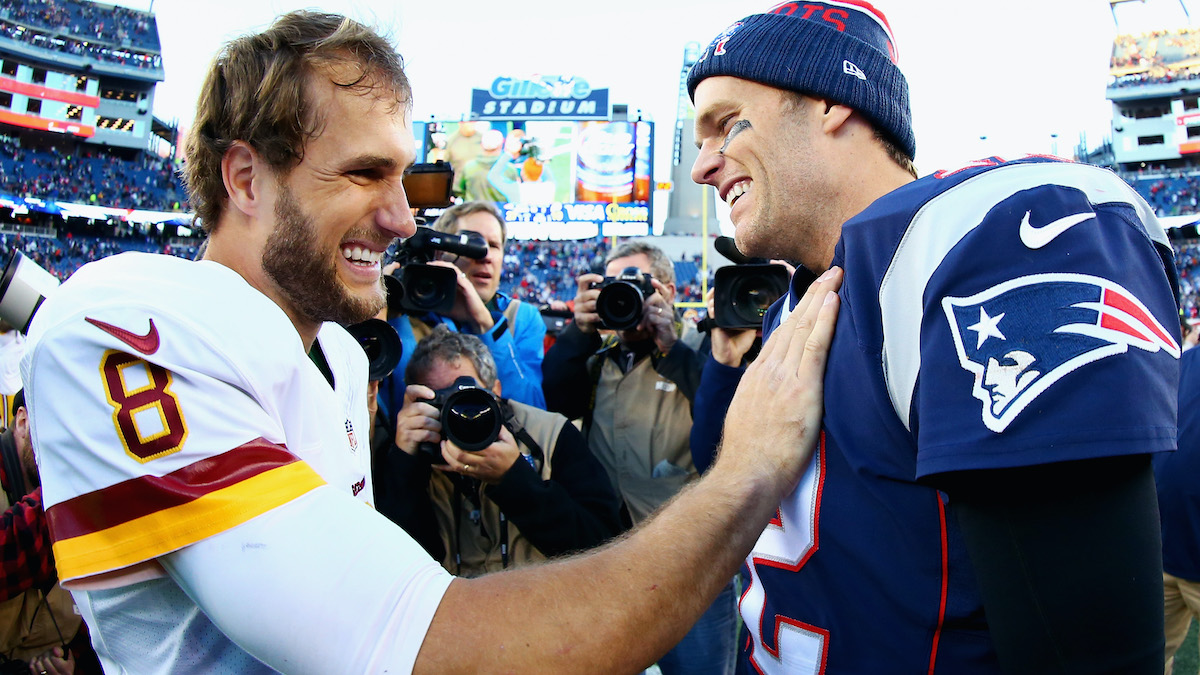
New Raiders QB Kirk Cousins has passed Patriots great Tom Brady on one all-time NFL list. Here's where Cousins now ranks. The post Kirk Cousins Just Passed Tom Brady on NFL List That Stuns Fans appeared first on Heavy Sports.
Losing streaks in the NFL are nothing to be proud of. Not for a fan base or an NFL franchise. But NFL losing streaks are certainly talking points amongst fans. These are the 16 longest losing streaks in NFL history. Each franchise below lost 15 or more straight games. Only one of them, the first […] The post The 16 Longest Losing Streaks In NFL History appeared first on BroBible.