Fantasy Football: The Pros and Cons of Drafting a QB Early
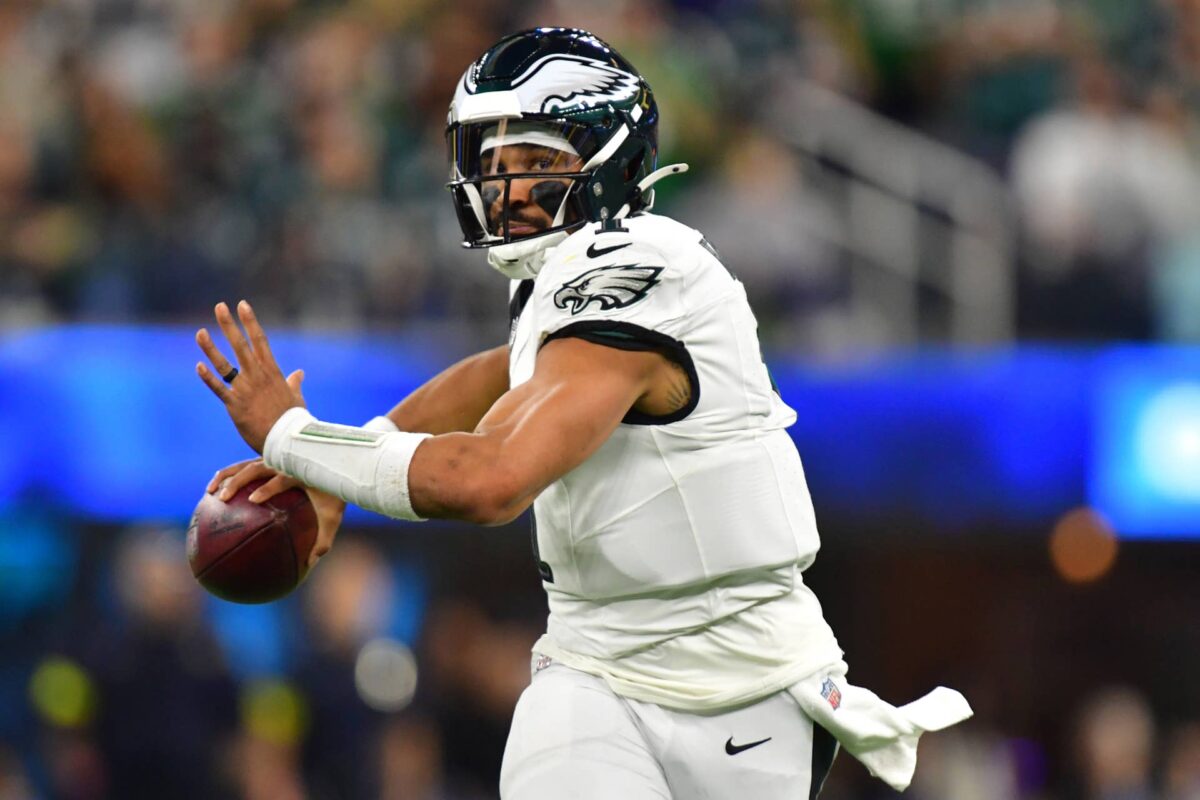
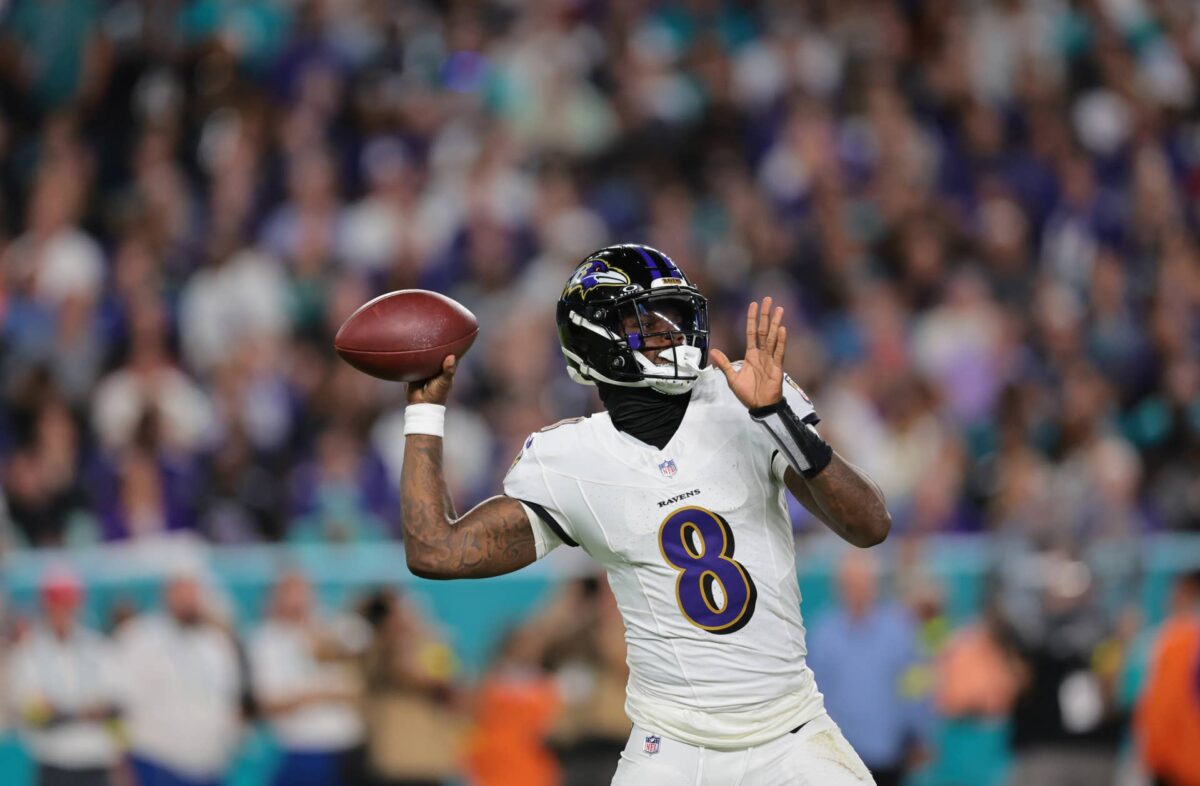
Drafting a quarterback early can raise a roster’s weekly floor, but it also carries a steep opportunity cost at deeper positions with fewer true difference-makers.

Stadium News
Breaking News from the Bench to the Bleachers
Drafting a quarterback early can raise a roster’s weekly floor, but it also carries a steep opportunity cost at deeper positions with fewer true difference-makers.
Rookie picks carry more long-term appeal in keeper leagues, but cost, retention rules, and timeline still decide whether a rookie is worth the investment.
Rookie picks can change a fantasy season, but they carry more uncertainty than veterans. These five rules help managers draft them with more discipline and less guesswork.
IDP fantasy football is less chaotic if you can focus on pressure, tackle, and coverage metrics that explain role, opportunity, and week-to-week scoring stability. Here's what to look for and how to utilize this data.
Advanced stats can help fantasy football managers determine whether a defense's fantasy output was supported by the quality of its defensive play over fluky moments and other extenuating factors.
Kicker advanced stats can help fantasy football managers look beyond box scores and better judge opportunity, difficulty, and week-to-week fantasy outlook.
Kenyon Sadiq leads three NFL mock draft landing spots that offer long-term dynasty value, fitting into the Ravens offense.
Quarterback Next Gen Stats can help fantasy football managers tell the difference between repeatable production, misleading volume, and upside driven by passing style or rushing value.
Running back advanced stats can help fantasy football managers tell whether production came from valuable workload, individual success, or receiving usage that can hold up.
Wide receiver advanced stats can help fantasy footballers judge target quality, downfield upside, and whether last year’s production is likely to carry over.
Tight end advanced stats can help fantasy football managers spot which players had defined receiving roles, useful target depth, and value that was not obvious in box scores.
Shallow fantasy football leagues reward more explosive starters, frequent waiver moves, and fewer long-shot stashes sitting on the bench for weeks without utility. Let's examine what that looks like in practice.
Deep fantasy football leagues reward managers who draft sturdy starters, stash the right backups, and build enough bench depth to survive injuries, byes, and competitive waivers. Here's how to accomplish those goals!
The middle rounds are where fantasy football managers often shape the strength of their weekly lineup, either by adding reliable starters or creating problems that linger all season. Here's how to avoid the latter...
A bad draft can leave holes, but the season is not lost if fantasy football managers make steady, practical moves instead of chasing quick fixes. Here's how to do it.
Jeremiyah Love leads three NFL mock draft fits that could provide massive upside for future Dynasty fantasy football rosters.
Positional runs can change a fantasy football draft quickly, but managers who stay calm and read the board usually make better decisions than those who are unprepared.
Effective bench management comes from knowing whether a player still has a path to value or is only taking up a roster spot. Here's how to identify key indicators worth reacting to.
NFL and fantasy football depth charts may overlap, but they are not the same. Knowing how to read both can help fantasy managers evaluate players more accurately.
A premium tight end can create a weekly advantage, but the rest of the roster still needs enough balance. Here's how to properly construct a winner around a stud TE.
Managing risk in fantasy football means balancing upside, durability, role security, and roster depth so a bad decision or two don't sink the entire season.
Learn the best-ball fantasy football strategy basics, including how beginners should approach roster depth, weekly upside, and draft construction.
Finding fantasy football breakouts before ADP climbs can help managers draft more value and avoid paying full price once the market catches up.
Handcuffing running backs can be useful injury insurance, but it is not a strategy fantasy football managers should apply across the board. Here's why...